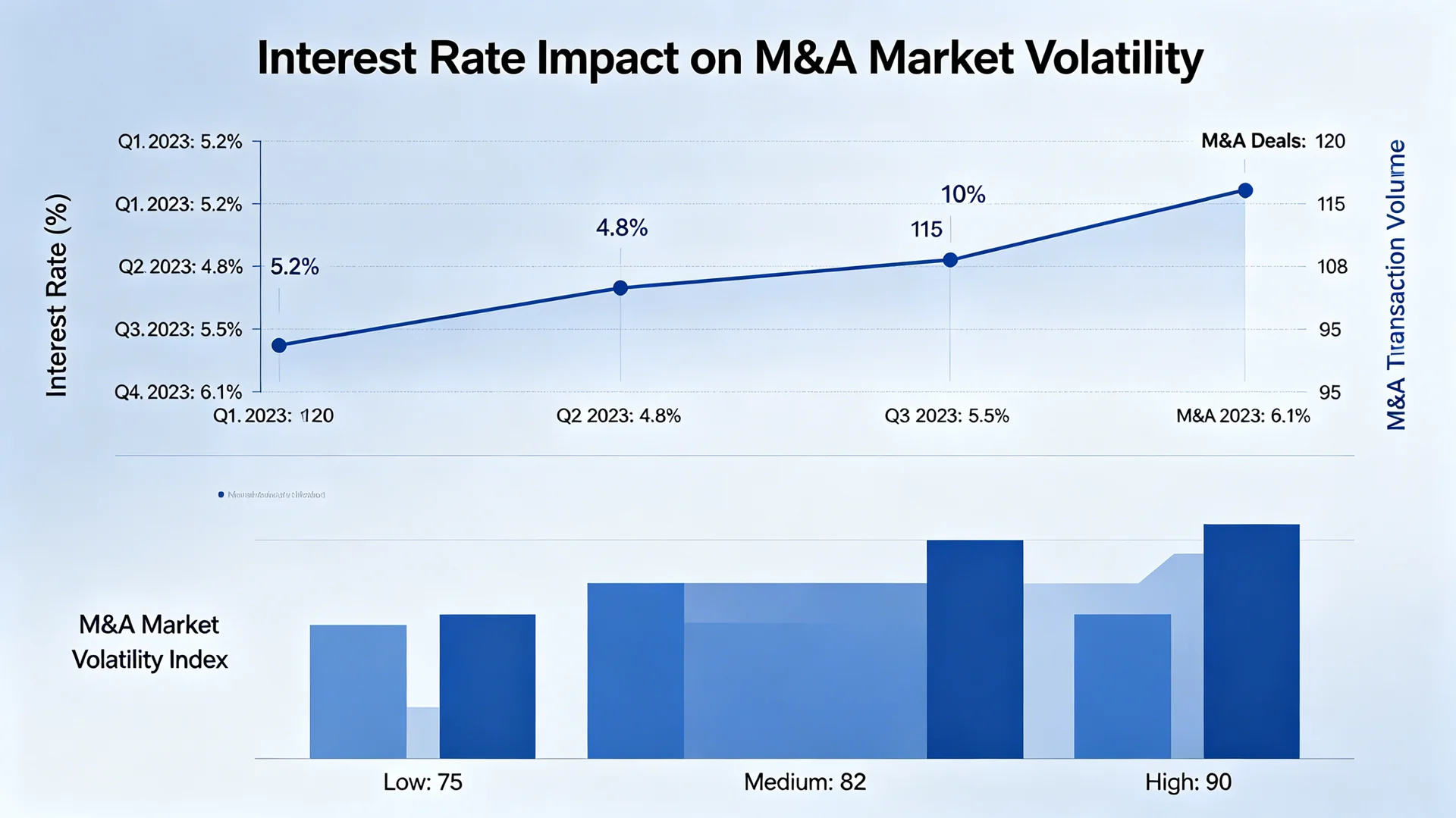
As central banks continue to adjust monetary policy in response to inflationary pressures, businesses are facing higher borrowing costs. We explore strategies to mitigate the impact of rising rates and optimize financing structures for sustainable growth.
The New Interest Rate Environment
After years of historically low interest rates, the corporate finance landscape has shifted dramatically. Central banks around the world have raised rates to combat inflation, fundamentally changing the cost of capital for businesses of all sizes.
This new environment requires a reassessment of financing strategies. What worked in a low-rate world may no longer be optimal, and companies need to adapt their approach to capital structure and funding.
Impact on Corporate Financing
1. Debt Servicing Costs
For companies with floating-rate debt or upcoming refinancing needs, higher rates translate directly into increased interest expenses. This can squeeze margins and reduce cash flow available for investment, dividends, or debt repayment.
Companies with high leverage are particularly vulnerable. Even a modest increase in rates can significantly impact debt servicing capacity and financial flexibility.
2. Capital Investment Decisions
Higher discount rates reduce the net present value of future cash flows, making some investment projects uneconomic. Companies are being forced to prioritize projects with shorter payback periods and higher returns.
3. M&A Activity
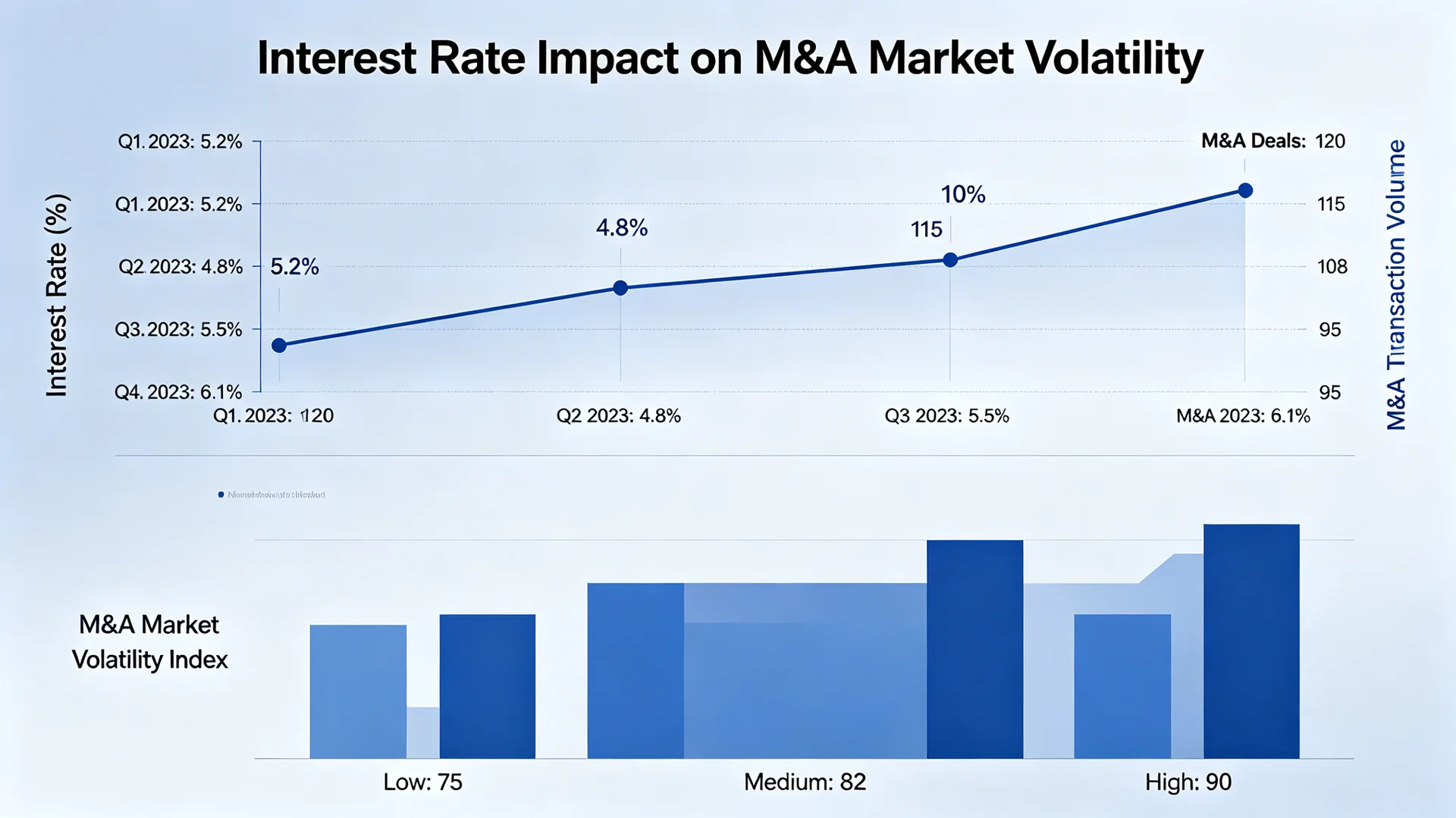
The cost of financing acquisitions has increased, putting pressure on deal structures and valuations. Private equity firms, which rely heavily on leverage, are finding it harder to make deals work at previous valuation levels.
Strategic Responses
Companies are adopting various strategies to navigate the higher rate environment:
- Refinancing: Where possible, companies are locking in longer-term fixed-rate financing to protect against further rate increases.
- Deleveraging: Some companies are prioritizing debt reduction to improve balance sheet strength and reduce interest expense.
- Operational Efficiency: Focus on improving margins and cash flow generation to offset higher financing costs.
- Alternative Financing: Exploring non-bank lending, private credit, and other sources of capital that may offer more favorable terms.